(484) 289-4880
  SCHEDULE A FREE CONSULTATION
Premises Liability: When Property Owners Are Liable for Injuries
Accidents can happen anywhere. Sometimes they occur on public property, but many happen on private property. When someone is injured on someone else’s property, determining responsibility can be complicated. Premises liability is the area of law that addresses when property owners or occupiers are legally responsible for injuries sustained on their property. In Pennsylvania, these cases can be complex, but understanding the basics is essential for anyone pursuing a personal injury claim.
What Premises Liability Means
Premises liability is a legal concept that holds property owners accountable for dangerous conditions on their property. Property owners have a duty to maintain a safe environment for visitors. The scope of that duty depends on the type of visitor and the circumstances of the injury.
Understanding Visitor Classifications
In Pennsylvania, visitors are generally classified as invitees, licensees, or trespassers.
- Invitees enter a property for business purposes or mutual benefit, like customers in a store.
- Licensees enter for their own purposes but with permission, like social guests.
- Trespassers enter without permission.
Each classification carries a different level of responsibility for the property owner. Invitees are owed the highest duty of care. Property owners must inspect the premises for hazards, fix dangerous conditions, or warn about risks. Licensees are owed reasonable care, while trespassers are owed minimal duty, usually just protection from intentional harm.
Proving Negligence in Premises Liability Cases
Negligence is a key element in premises liability claims. The injured party must show that the property owner knew, or should have known, about the hazardous condition and failed to correct it. Evidence may include:
- Photos of the hazard
- Witness statements
- Maintenance records
- Prior complaints
Timing is also critical. If a hazard occurred just minutes before an accident, the property owner might not have had a reasonable chance to address it. Longstanding problems, however, are easier to prove as negligence.
Common Premises Liability Accidents
Some of the most frequent premises liability claims include:
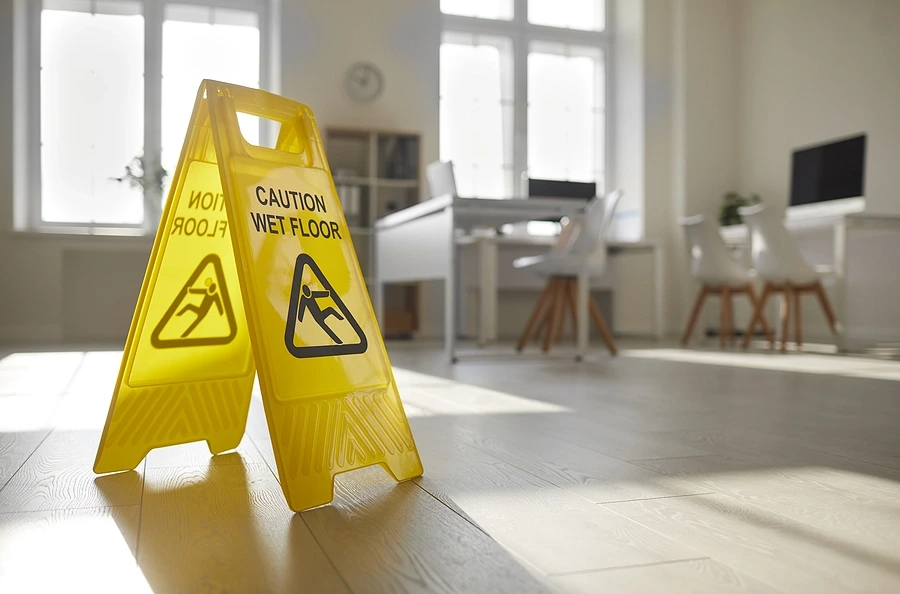
- Slip and fall accidents: Wet floors, icy sidewalks, uneven surfaces, or cluttered walkways.
- Inadequate security: Assaults on the property due to insufficient protection.
- Dog bites: Liability if the owner knew or should have known the dog was dangerous.
- Pool, elevator, or escalator accidents: Often involve maintenance or inspection failures.
Serious injuries from these accidents, like broken bones, concussions, or back injuries, can result in long-term consequences, including medical bills, lost income, and ongoing pain.
The Role of Foreseeability
In Pennsylvania, property owners must act reasonably to prevent foreseeable harm. Foreseeability is central to these cases.
- Obvious hazards may not lead to liability if they could have been reasonably avoided by the injured person.
- Hidden dangers ignored by the property owner can provide a strong basis for a claim.
Experts, building codes, and safety regulations can all help determine what is considered foreseeable.
Recoverable Damages
Injured parties may be entitled to compensation for:
- Medical expenses
- Lost wages
- Pain and suffering
- Emotional distress
Proper documentation, including medical records, bills, and employer statements, is essential for accurately calculating damages.
Insurance Considerations
Many property owners carry liability insurance. This insurance can cover medical expenses and damages from accidents. Working with a personal injury lawyer can help navigate insurance claims, negotiate settlements, and, if necessary, file a lawsuit to secure fair compensation.
Acting Quickly Is Important
Pennsylvania has time limits for filing personal injury claims, known as the statute of limitations. Generally, you have two years from the date of the accident to file a lawsuit. Missing this deadline can result in losing your right to pursue compensation.
Documentation is critical. Injured individuals should:
- Take photos of the hazard
- Collect witness contact information
- Seek medical attention immediately
- Report the accident to the property owner or manager
These steps can provide crucial evidence for building a strong case.
When Property Owners Are Responsible
Not every accident on someone else’s property leads to a legal claim. Liability depends on several factors:
- The type of visitor
- The nature of the hazard
- The property owner’s actions
- Foreseeability of the risk
A qualified personal injury lawyer can help evaluate your situation, gather evidence, and pursue the compensation you deserve.
Conclusion
Premises liability law ensures property owners maintain safe environments and that injured individuals can seek compensation when negligence occurs. These cases can be complex, but careful documentation, expert guidance, and a clear understanding of Pennsylvania law make it possible to pursue justice. If you’ve been injured on someone else’s property, acting promptly and consulting with a lawyer can make all the difference in protecting your rights.