(484) 289-4880
  SCHEDULE A FREE CONSULTATION
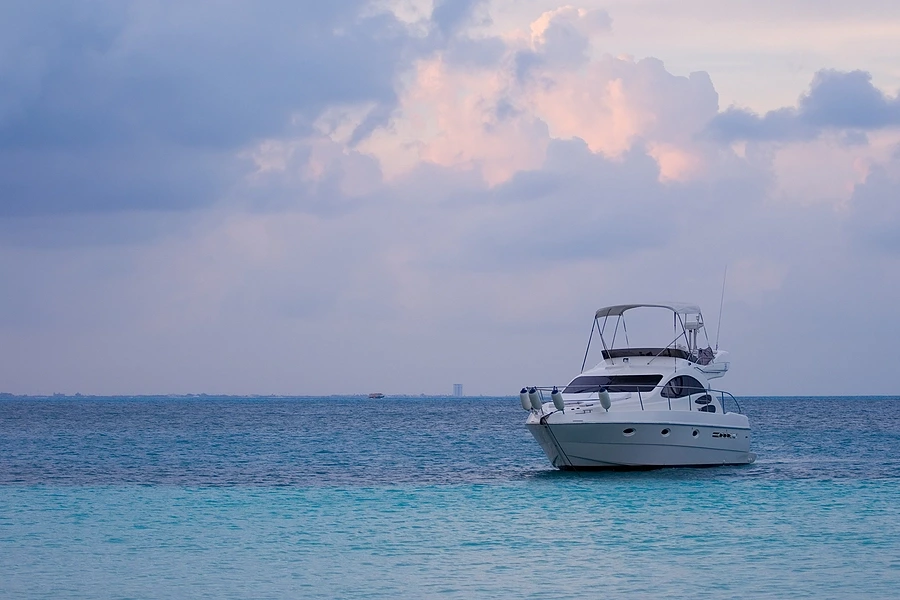
Boating Accidents: Liability Issues on Waterways
Boating accidents can happen quickly, and the consequences are often serious. Unlike car accidents on land, collisions or mishaps on the water present unique challenges for determining responsibility. Pennsylvania has numerous rivers, lakes, and reservoirs where recreational boating is popular, and accidents on these waterways can lead to significant injuries or fatalities. Understanding how liability is determined in boating accidents is crucial for anyone involved.
Common Causes of Boating Accidents
Many boating accidents are preventable. Operator error is the leading cause. This can include inexperience, reckless behavior, or failure to follow navigational rules. Other frequent causes include alcohol or drug use, poor weather conditions, equipment failure, or overcrowded waterways. Even experienced boaters can misjudge distances, speed, or other vessels’ movements, leading to collisions.
Negligence often plays a central role. A negligent operator is someone who fails to act with reasonable care, whether by speeding, ignoring warning signs, or failing to maintain their vessel. Pennsylvania law treats negligence seriously, and proving it is critical in any personal injury claim related to boating accidents.
Determining Liability on the Water
Assigning liability in boating accidents can be complex. In Pennsylvania, courts generally use comparative negligence principles. This means that if more than one party is at fault, the responsibility is divided according to the level of fault each party carries. Even a small percentage of responsibility can affect the damages you may recover.
Liability can fall on several parties:
- Boat Operators: Most often, the person driving the boat is responsible. If they were intoxicated, speeding, or otherwise acting recklessly, they may be held fully liable.
- Boat Owners: Owners can be liable if they allowed someone unqualified or intoxicated to operate the vessel. They may also be responsible if the boat had safety defects that contributed to the accident.
- Manufacturers and Suppliers: If an accident was caused by defective equipment, such as a faulty engine or navigation system, the manufacturer or seller could share liability.
- Marinas or Rental Companies: Companies that rent boats or manage docks can sometimes be responsible if they fail to warn customers about hazards or maintain safe equipment.
Understanding the exact cause of the accident is essential to identify all parties who might be liable. Investigations often include eyewitness accounts, vessel inspections, and sometimes expert analysis to determine whether mechanical failure, human error, or environmental factors were involved.
Legal Standards for Boating Accidents
Pennsylvania recognizes general principles of negligence in boating accidents. A person seeking compensation must show that the other party owed them a duty of care, breached that duty, and caused injuries or property damage as a result. For example, a boat operator has a duty to navigate safely, avoid reckless maneuvers, and follow state boating laws. Failure to meet these obligations can be grounds for a claim.
Pennsylvania also has specific boating laws that affect liability. Speed limits on certain waterways, no-wake zones, and rules for safe operation in crowded areas are enforceable. Violating these regulations can strengthen a personal injury case because it shows the operator did not exercise reasonable care.
Types of Damages in Boating Accident Cases
Victims of boating accidents may be entitled to several types of damages. Economic damages include medical expenses, rehabilitation costs, lost wages, and property damage. Non-economic damages compensate for pain, suffering, emotional distress, or loss of enjoyment of life. In severe cases, punitive damages may be considered if the operator’s conduct was grossly negligent or intentional.
Property damage claims may cover the repair or replacement of a personal watercraft, a boat, or other items lost during the accident. Pennsylvania law allows victims to pursue compensation for both tangible and intangible losses, but evidence is crucial to substantiate the claim.
Challenges in Boating Accident Cases
Boating accidents present unique legal challenges. Unlike car accidents, they often occur in open water without witnesses. Documentation is vital. Photos, GPS data, maintenance records, and boating logs can all support a case. Insurance coverage can also complicate matters. Many boat owners rely on separate marine insurance policies, which have different terms than standard auto insurance.
Determining fault can be more complicated when alcohol is involved. Pennsylvania law has strict rules against operating a vessel while intoxicated, and violations can have both criminal and civil consequences. However, victims must still show a direct link between the intoxicated operation and their injuries to succeed in a claim.
Preventing Boating Accidents
While not all accidents are avoidable, following safety practices can reduce risks. Taking a boating safety course, maintaining the vessel properly, adhering to speed limits, and wearing life jackets are all important steps. Avoiding alcohol while operating a boat is one of the most effective ways to prevent accidents.
Boaters should also be familiar with the waterways they navigate. Shallow areas, hidden obstacles, and changing weather conditions all increase the risk of collisions. Using navigation equipment and staying alert to other vessels can prevent many common accidents.
The Role of a Personal Injury Lawyer
A personal injury lawyer experienced in boating accidents can help victims understand their legal rights and pursue fair compensation. Investigating liability, negotiating with insurers, and guiding clients through Pennsylvania’s comparative negligence rules are all critical aspects of legal representation.
Legal professionals can also assist in collecting evidence, identifying all potentially responsible parties, and preparing for court if a settlement cannot be reached. Time limits for filing a claim, known as statutes of limitations, are strict, so prompt action is essential.
Conclusion
Boating accidents on Pennsylvania waterways can result in serious injuries and complex liability issues. Determining responsibility often involves examining operator behavior, equipment conditions, and adherence to state boating laws. Victims have the right to pursue compensation for medical expenses, lost income, and emotional suffering, but the process requires careful documentation and legal guidance. Understanding the risks, following safety measures, and seeking professional help after an accident are crucial steps to protect your rights and recover fully.