(484) 289-4880
  SCHEDULE A FREE CONSULTATION
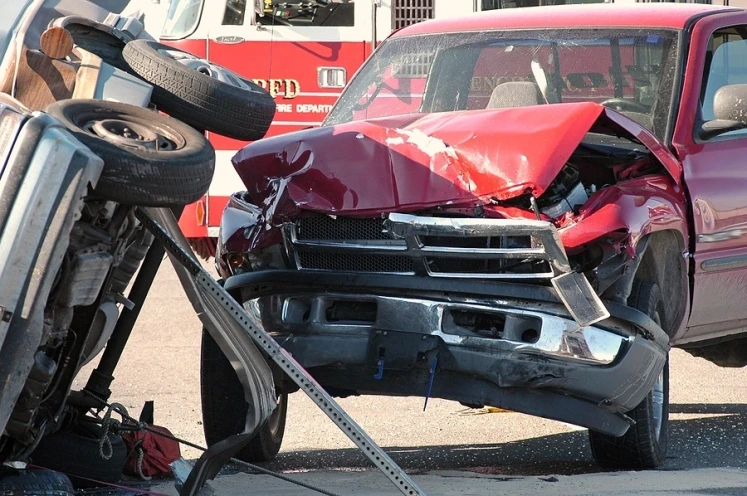
The Role of Black Box Data in Auto Injury Cases
Modern vehicles are equipped with more technology than ever before. From advanced safety systems to built-in navigation, today’s cars constantly gather and store data about how they are driven. One of the most significant developments in this area is the use of event data recorders, often called “black boxes,” and telematics systems. In Pennsylvania auto injury cases, this data can play a major role in determining what happened before and during a crash. Understanding how this information is used can help injured individuals and their attorneys build stronger claims and establish liability with greater accuracy.
The Growing Role of Vehicle Data in Accident Investigations
For decades, investigators relied primarily on witness statements, police reports, and physical evidence to piece together what happened in a collision. While those tools remain important, vehicle data now adds another layer of insight that can clarify the details of an accident.
Most vehicles manufactured in the last 20 years contain an event data recorder (EDR). These devices capture information about how a vehicle was being operated in the moments before a crash. Newer models often feature telematics systems that collect and transmit driving data in real time, such as through insurance tracking programs or onboard apps.
In an injury case, this information can be used to confirm or challenge the accounts provided by drivers, passengers, or witnesses. For example, if a driver claims they were traveling within the speed limit, the black box might show that the vehicle was actually moving much faster just seconds before impact.
What a Vehicle’s Black Box Records
A black box in a car functions much like the one found in an airplane, though on a smaller scale. It records a variety of factors that can provide a detailed picture of what occurred prior to and during a crash. Data commonly stored includes:
- Vehicle speed at the time of impact
- Brake application and timing
- Seat belt usage
- Airbag deployment details
- Throttle position
- Steering input
- Sudden acceleration or deceleration events
This information can be crucial in determining fault. For instance, if a driver ran a red light or failed to brake before hitting another vehicle, the data may reveal those details conclusively.
Telematics and Connected Car Data
Telematics data comes from systems that use GPS, cellular networks, and sensors to monitor how a vehicle is driven over time. Insurance companies, rideshare services, and fleet managers often rely on telematics to track driving behavior such as speed, braking patterns, and cornering habits.
In an auto injury claim, this information can be even more comprehensive than black box data because it provides a longer history of the driver’s behavior. For example, if a commercial driver involved in a crash has telematics records showing repeated speeding or sudden braking incidents, that pattern may demonstrate negligence or a disregard for safety.
Using Vehicle Data as Evidence in Pennsylvania Injury Cases
In Pennsylvania, the process of gathering and using black box or telematics data must follow specific legal steps. The data is considered property of the vehicle’s owner, which means it typically requires permission or a court order to access. Attorneys often work with accident reconstruction experts or forensic analysts to retrieve and interpret the information properly.
Once obtained, the data can serve as powerful evidence in several ways:
- Establishing Fault: The data can clarify whether a driver was speeding, braking, or turning at the time of the crash, helping determine who was responsible.
- Challenging False Claims: If another party provides an inaccurate version of events, the data can contradict their account and strengthen your case.
- Supporting Expert Testimony: Accident reconstruction experts can use the information to create detailed simulations that visually demonstrate how the collision occurred.
- Strengthening Negotiations: Concrete data can lead to faster settlements, as it reduces the room for dispute about what actually happened.
The Importance of Acting Quickly After a Crash
Vehicle data can be lost if not preserved in time. Some black boxes automatically overwrite old data after a certain number of ignition cycles, while telematics records may only be stored temporarily by a third party. This is why it’s critical for an attorney to act quickly after a crash to ensure that all available data is secured before it disappears.
In serious auto injury cases, attorneys may send preservation letters to vehicle owners, insurance companies, or manufacturers to prevent deletion or alteration of this evidence. Delays can result in the loss of key information that might otherwise support a claim.
Privacy and Data Ownership Considerations
The increasing use of vehicle data has also raised questions about privacy and ownership. In Pennsylvania, as in many other states, the vehicle owner typically retains the rights to the data stored in their car’s systems. However, insurance companies, rental agencies, or fleet owners may have different policies regarding data access.
When data is needed for an injury case, attorneys must follow legal procedures to obtain it. Unauthorized access or tampering could lead to evidence being excluded or legal challenges from the opposing side. Ensuring that the data is gathered in a lawful and verifiable manner helps maintain its credibility in court.
How Data Can Support an Injury Claim
While black box and telematics data often help determine fault, they can also play a role in establishing the severity of an impact and the extent of injuries. For example, data showing a sudden and extreme deceleration can support claims of whiplash or spinal trauma. Similarly, if the airbag deployed, it might indicate a more severe collision that aligns with the injuries sustained.
This evidence can be valuable in negotiations with insurance adjusters, who may otherwise downplay the seriousness of an accident. When combined with medical documentation and expert analysis, vehicle data helps create a complete and factual picture of the event and its consequences.
The Role of Attorneys in Interpreting Vehicle Data
Accessing and understanding black box or telematics information requires technical expertise. Attorneys handling Pennsylvania auto injury cases often collaborate with specialists who can extract and interpret the raw data. These professionals may use specialized software to translate the information into reports or visual models that can be presented during settlement discussions or in court.
An experienced attorney will know how to integrate this data into a broader legal strategy. They can use it to counter inaccurate claims, reinforce witness testimony, and demonstrate causation between the defendant’s actions and the client’s injuries.
Building a Strong Case in a Data-Driven Era
As vehicles become increasingly connected and data-driven, auto injury cases in Pennsylvania are evolving as well. The use of black box and telematics information allows for more precise investigations and fairer outcomes. It reduces uncertainty and supports fact-based decisions, which benefits both injured individuals and the justice system as a whole.
However, accessing and using this data effectively requires legal experience, technical understanding, and timely action. For anyone injured in a vehicle collision, working with an attorney who understands how to handle electronic vehicle evidence can make a significant difference in the strength of their claim.
Conclusion
Vehicle data is transforming the way car accidents are analyzed and litigated. What once depended heavily on human recollection can now be supported by objective digital evidence. In Pennsylvania, as this technology becomes more common, it will continue to play an important role in ensuring fair outcomes for victims of negligent driving.
By securing and interpreting black box and telematics data properly, attorneys can uncover the truth behind a crash and help their clients pursue the compensation they deserve.