(484) 289-4880
  SCHEDULE A FREE CONSULTATION
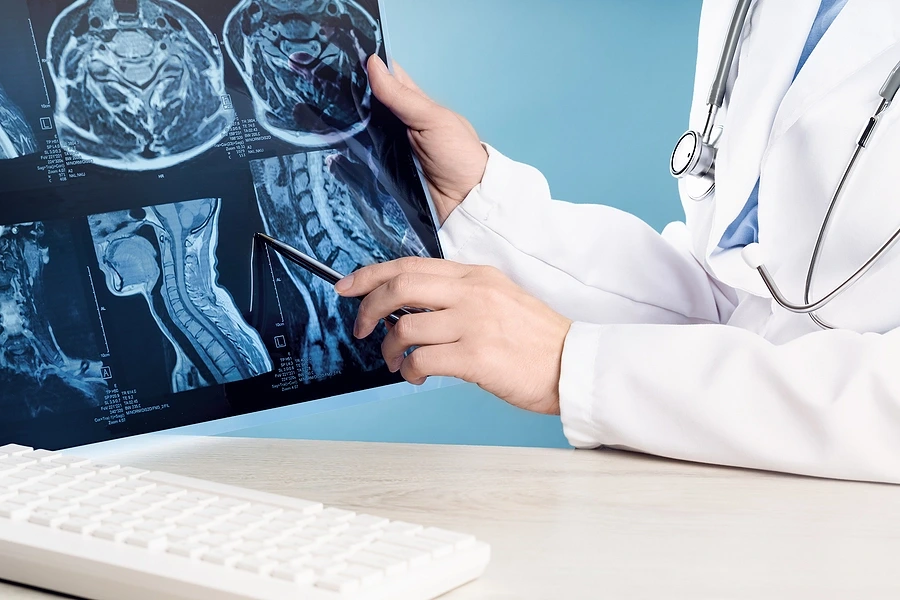
Using MRI, CT Scans & Other Imaging as Evidence in Injury Claims
When someone is injured due to another party’s negligence, building a strong legal claim often depends on the quality and completeness of the medical evidence gathered. Among the most valuable forms of that evidence is diagnostic imaging, including MRI scans, CT scans, and X-rays, which allow physicians to visualize internal injuries that are not visible from the outside. In Pennsylvania, these images can play a central role in demonstrating the nature and severity of an injury, establishing a connection to the accident in question, and supporting claims for compensation. Understanding how imaging evidence functions within the personal injury claims process can help injured individuals make more informed decisions about their medical care and their legal options. If you have been hurt in an accident, speaking with a qualified Chester Springs personal injury lawyer can help you understand how your imaging results may support your claim.
The Role of Diagnostic Imaging in Personal Injury Claims
Why Imaging Evidence Matters
In many personal injury cases, the extent of an injury is not immediately apparent from a physical examination alone. Diagnostic imaging provides objective, visual documentation of internal damage that a treating physician can use to diagnose the injury and guide appropriate treatment. From a legal standpoint, this objectivity is particularly valuable because it gives insurers, attorneys, and courts a concrete basis for understanding what the injured person experienced. Unlike subjective reports of pain and discomfort, imaging results are generated by medical equipment and interpreted by qualified professionals, making them a credible and difficult-to-dismiss foundation for a personal injury claim.
The Different Types of Imaging and What They Reveal
Different imaging technologies are suited to capturing different types of injury. X-rays are commonly used to identify fractures and bone damage and are often the first imaging tool used following a trauma. CT scans produce detailed cross-sectional images of the body and are particularly useful for detecting injuries to the brain, internal organs, and soft tissues that X-rays may not fully capture. MRI scans provide highly detailed images of soft tissue structures, including muscles, ligaments, tendons, and spinal discs, making them especially relevant in cases involving back injuries, neck injuries, or joint damage. The type of imaging ordered will depend on the nature of the accident and the symptoms reported by the injured person.
How Imaging Connects Injuries to the Accident
Establishing Causation Through Medical Evidence
One of the central tasks in a personal injury claim is demonstrating that the injuries documented in medical records were caused by the accident in question, rather than by some other event or a pre-existing health condition. Imaging evidence can support this connection in several ways. When imaging is obtained promptly after an accident, and the results are consistent with the mechanism of injury described by the claimant, it provides a strong factual basis for the causal link between the accident and the documented harm. Medical professionals who review the imaging may also provide written opinions about whether the injuries are consistent with the type of trauma involved, which can carry significant weight in negotiations or court proceedings.
The Importance of Timing When Seeking Imaging
The timing of diagnostic imaging can significantly affect its usefulness as evidence in a personal injury claim. Imaging obtained shortly after an accident is more likely to be viewed as reflecting injuries directly caused by that event, while imaging obtained weeks or months later may face greater scrutiny from the opposing side. Insurance companies may argue that a delay in seeking imaging suggests the injuries were not serious or that they arose from something other than the accident. Seeking prompt medical evaluation and following a treating physician’s recommendations regarding further testing is, therefore, important not only for the injured person’s health but also for the overall strength of their legal claim.
How Insurance Companies Approach Imaging Evidence
When Insurers Challenge Imaging Results
Insurance companies representing at-fault parties often look for ways to reduce the value of a personal injury claim, and imaging evidence is a common area of challenge. An insurer may retain its own medical expert to review the imaging and offer an alternative interpretation of the findings. They may argue that the results show only minor abnormalities, that the findings are consistent with normal age-related changes rather than traumatic injury, or that the severity of injury claimed is inconsistent with the nature of the accident. Understanding that these challenges are a routine part of the claims process can help injured individuals and their legal representatives prepare a more thorough and well-supported response.
Pre-Existing Conditions and How They Are Handled
Many people who sustain injuries in accidents already have some degree of underlying health conditions, particularly involving the spine, joints, or soft tissues. When pre-existing conditions appear on imaging, insurers may argue that the claimant’s symptoms are attributable to those conditions rather than to the accident. Pennsylvania law recognizes, however, that an accident can aggravate or worsen a pre-existing condition, and that compensation may be available for that aggravation even where the claimant was not in perfect health prior to the incident. Where imaging from before and after the accident is available, comparing those results can help demonstrate the change in condition that the accident brought about.
Building a Well-Supported Claim With Imaging Evidence
Working With Medical and Legal Experienced attorneys
Translating diagnostic imaging into effective legal evidence often requires input from qualified professionals. Treating physicians and radiologists may provide detailed reports and testimony explaining what the imaging shows in terms that are meaningful in a legal context. In some cases, independent medical experts may be engaged to provide a second opinion or to respond to challenges raised by the opposing side. The way imaging evidence is presented, explained, and contextualized within the broader facts of the case can have a meaningful effect on how it is received and weighted by an insurer or a court.
Keeping a Complete and Consistent Medical Record
A complete and consistent medical record strengthens the overall credibility of a personal injury claim. This means attending all recommended medical appointments, following through on referrals for specialist care or additional imaging, and ensuring that symptoms and their impact on daily life are clearly documented at each visit. Gaps in treatment or inconsistencies between reported symptoms and documented findings can be used by opposing parties to cast doubt on the seriousness of an injury. Maintaining a thorough and continuous record from the earliest stages of treatment supports both the medical and legal dimensions of the claim.
Understanding the Role of Evidence in Your Injury Claim
Diagnostic imaging is among the most important categories of evidence in a personal injury claim, providing objective documentation of injuries that might otherwise be difficult to demonstrate. Whether the imaging reveals a fracture, a herniated disc, or damage to soft tissue, the information it contains can shape how an insurer values a claim and how effectively that claim can be pursued. In Pennsylvania, the strength and completeness of the evidence gathered in the period following an accident can have a lasting impact on the outcome. Kingbird Legal, a Pennsylvania personal injury law firm, works with injured individuals to help build well-supported claims that reflect the true extent of their injuries.