(484) 289-4880
  SCHEDULE A FREE CONSULTATION
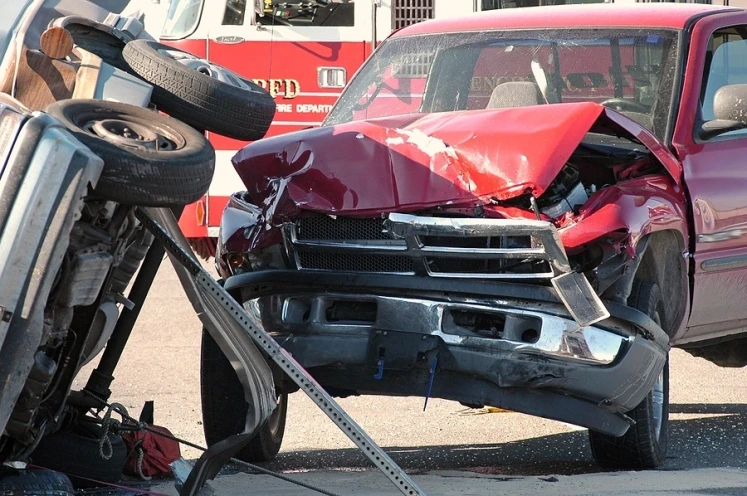
The Role of Police Reports and Crash Reconstruction in Auto Cases
Auto accidents can have far-reaching consequences, both physically and financially. When injuries occur, the path to fair compensation often depends on clear evidence about how the accident happened. Two critical tools in building a strong case are police reports and crash reconstruction. Understanding their role can help accident victims navigate the legal process more effectively.
How Police Reports Document Accidents
Police officers are often the first responders at the scene of a car accident. Their reports provide an official account of the incident and are frequently used as evidence in insurance claims and court proceedings. A police report typically includes basic facts such as the date, time, and location of the accident, the vehicles involved, and the drivers’ information. Officers also document any visible injuries, property damage, and environmental conditions like weather or road conditions.
In addition to the factual information, police reports may include witness statements and the officer’s observations of how the accident occurred. Some reports even note which driver the officer believes may have been at fault. While this opinion is not legally binding, it can influence the direction of an insurance claim or a civil lawsuit.
The Limitations of Police Reports
Despite their importance, police reports are not always definitive. Officers often arrive after the initial collision, which means their observations are limited. Witness accounts can conflict, and minor details may be overlooked. For example, a report might note that a driver ran a red light, but it may not capture how fast the other vehicle was traveling or whether road conditions contributed to the crash.
Because of these limitations, legal teams often look beyond the police report to gather additional evidence. This is where crash reconstruction comes into play.
What Crash Reconstruction Entails
Crash reconstruction is a specialized process used to determine how and why an accident occurred. Experts in this field use physics, engineering principles, and sometimes computer simulations to analyze vehicle damage, skid marks, debris patterns, and other physical evidence. Their goal is to recreate the accident as accurately as possible.
Reconstructionists examine factors such as speed, angle of impact, braking distance, and point of collision. They may also consider road conditions, visibility, and driver behavior. The resulting analysis can clarify questions that a police report cannot fully answer. For example, a reconstruction might show that a driver who appeared to have the right of way was actually speeding or that another driver’s evasive maneuver prevented a more serious collision.
The Impact of Crash Reconstruction on Liability
Determining liability in an auto accident case can be complex. Pennsylvania follows a comparative negligence system, which means that fault can be shared among multiple parties. Evidence from crash reconstruction can be pivotal in assigning responsibility accurately.
For instance, if two vehicles collide at an intersection, a reconstruction report may reveal which driver was primarily at fault and whether the other driver contributed to the accident. This level of detail is particularly important in serious injury cases, where damages can be substantial. Insurance companies and courts rely heavily on these technical analyses when negotiating settlements or making judgments.
Why Police Reports and Reconstruction Work Together
While a police report provides a snapshot of an accident, crash reconstruction adds depth and clarity. Together, they create a more complete picture of what happened. Attorneys use the police report to establish the initial facts and identify potential witnesses, while reconstruction experts provide scientific support for theories about the collision.
In many cases, the combination of these resources can strengthen an injured person’s claim. Insurance adjusters are more likely to offer a fair settlement when presented with clear, objective evidence. In court, expert testimony based on crash reconstruction can persuade a judge or jury about the cause of the accident and the extent of damages.
Practical Steps for Accident Victims
If you are involved in a car accident in Pennsylvania, there are several steps you can take to ensure that police reports and reconstruction evidence are as accurate and helpful as possible:
- Call the police immediately: Even if the accident seems minor, having an official report is essential.
- Provide accurate information: Give officers clear and truthful details about the accident. Avoid admitting fault at the scene.
- Document the scene: Take photos of vehicle damage, skid marks, traffic signals, and any visible injuries.
- Collect witness information: Names and contact details of witnesses can support your case later.
- Consult a personal injury attorney early: Experienced lawyers know how to gather and preserve evidence, and they can recommend whether a crash reconstruction is necessary.
The Role of Attorneys in Using These Tools
A personal injury lawyer plays a critical role in leveraging police reports and crash reconstruction for a client’s benefit. Attorneys review the police report for inconsistencies or missing details and may hire reconstruction experts to confirm or challenge findings. They also present this evidence effectively to insurance companies, mediators, or courts, translating technical data into understandable terms that support a client’s claim.
Lawyers also handle procedural requirements, such as filing claims within the statute of limitations and ensuring all evidence is preserved. In serious injury cases, this level of expertise can be the difference between a modest settlement and full compensation for medical bills, lost wages, and pain and suffering.
Challenges and Considerations
While police reports and crash reconstruction are powerful tools, they are not foolproof. Human error, incomplete data, and differing expert opinions can complicate matters. In some cases, insurance companies may dispute reconstruction findings or argue that the evidence is inconclusive. That is why it is important to work with legal professionals who understand how to interpret and challenge technical reports.
Additionally, crash reconstruction can be costly, and the complexity of the analysis depends on the severity of the accident. Attorneys weigh the potential benefits of hiring an expert against the costs, ensuring that it makes sense for each individual case.
Conclusion
In Pennsylvania auto accident cases, police reports and crash reconstruction play complementary roles in establishing what happened and who is responsible. A police report provides an immediate, official account, while crash reconstruction offers a detailed, scientific analysis. Together, they form a foundation for pursuing fair compensation after an accident.
For accident victims, understanding these tools and working with a personal injury attorney can help navigate the complex process of claims and litigation. Accurate documentation and expert analysis increase the chances of a successful outcome, helping injured individuals recover not only financially but also regain a sense of control after a life-altering event.